When guests attend a well-executed event, everything feels effortless. The ceremony starts on time, the room looks perfect, food arrives seamlessly, and transitions happen without confusion. What guests rarely see is the complex coordination happening quietly behind the scenes. Professional event coordination is the invisible structure that holds an event together, ensuring every detail works in harmony.
In Calgary, where weddings, corporate events, and private celebrations often involve large guest counts and multiple moving parts, professional coordination is not a luxury it’s essential. A venue that offers experienced event coordination transforms planning stress into confidence and ensures the event unfolds exactly as intended.
What Event Coordination Really Means
Event coordination goes far beyond setting up tables or managing a schedule. It is the process of aligning people, timing, space, and services into one seamless experience. Coordinators act as the central point of communication, making sure every element works together.
At Venice Banquet Hall, professional event coordination begins long before the event day. It starts with understanding the host’s vision, guest expectations, and event goals. From there, every detail is planned with precision so execution feels smooth and controlled.
Planning Before the Event Day
Behind every successful event is a detailed plan. Professional coordinators begin by mapping out the event timeline, identifying key moments, and understanding how guests will move through the space.
This planning phase ensures that setup, catering, entertainment, and transitions are aligned. Coordinators anticipate potential challenges and plan solutions in advance, reducing the risk of last-minute issues. This preparation is what allows the event day to feel calm rather than chaotic.
Coordinating Layout and Space
One of the most important behind-the-scenes tasks is layout coordination. How a room is arranged affects guest comfort, event flow, and overall atmosphere.
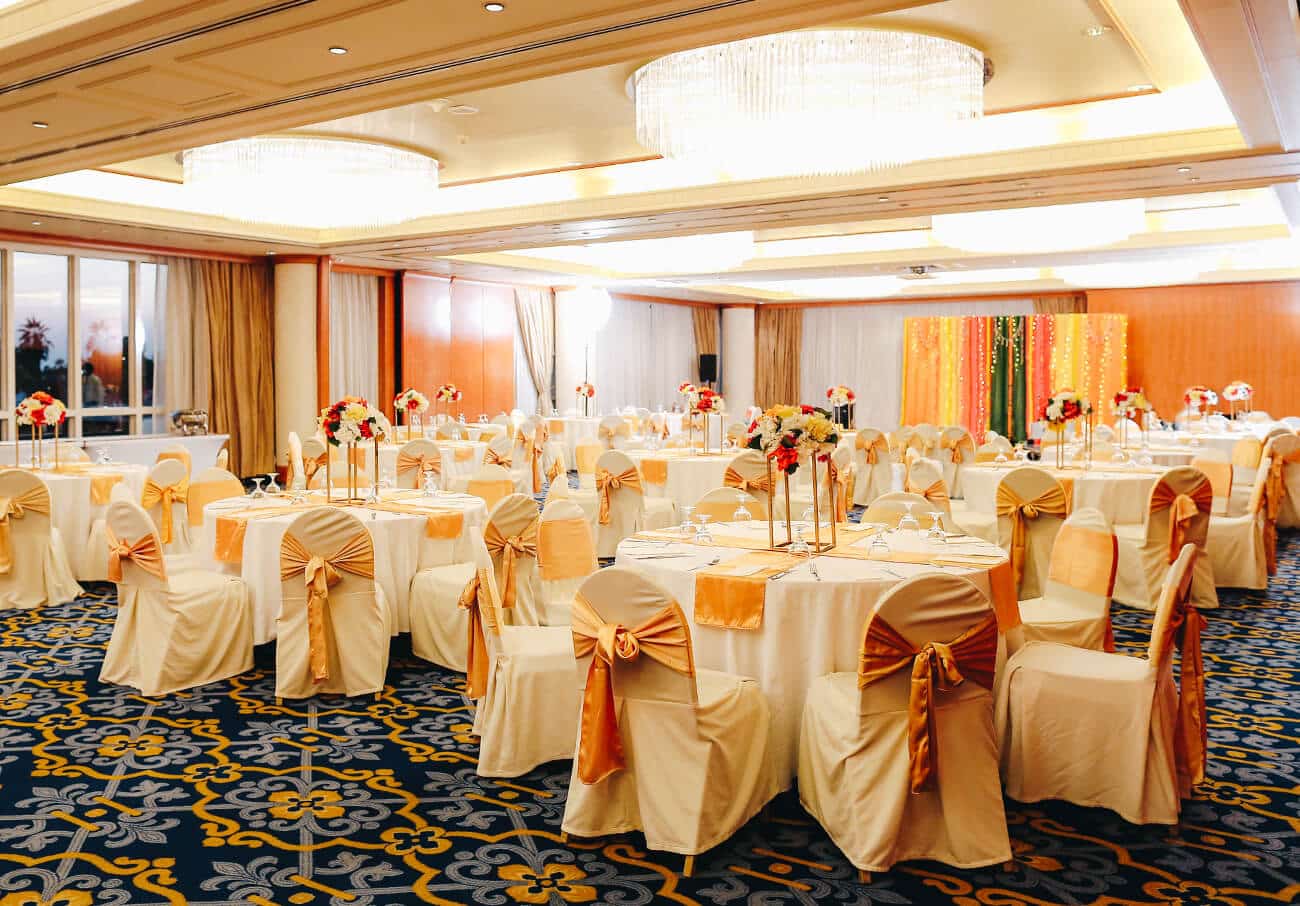
Professional coordinators assess guest count, event type, and program flow to determine the most effective layout. Seating, walkways, staging, and service areas are all planned to ensure comfort and accessibility. Adjustments are made proactively to prevent congestion or confusion.
This attention to spatial planning ensures the venue supports the event’s purpose rather than limiting it.
Timing Is the Backbone of Coordination
Timing is everything in event coordination. From guest arrival to the final farewell, every moment must align with the overall schedule.
Coordinators manage timing discreetly, ensuring each part of the event begins and ends smoothly. They monitor pacing, adjust when necessary, and keep all teams aligned with the timeline. If something runs early or late, coordinators adapt without disrupting the guest experience.
This real-time management is one of the most valuable aspects of professional coordination.
Managing Catering and Service Flow
Food service is one of the most complex elements of any event. Coordinators work closely with catering teams to ensure meals are served at the right time and in the right sequence.
Service flow is carefully planned to avoid delays or interruptions. Coordinators ensure that speeches, entertainment, and dining complement each other rather than compete for attention. Guests experience a relaxed dining rhythm, while hosts enjoy peace of mind knowing everything is under control.
Coordinating Vendors Behind the Scenes
Many events involve multiple vendors, such as décor teams, entertainers, photographers, or AV specialists. Without coordination, these teams may work independently, creating overlap or miscommunication.
Professional event coordinators act as the central point of contact. They align vendors with the event timeline, venue rules, and each other. This reduces confusion and ensures everyone works toward the same outcome.
Vendors benefit from clear direction, and hosts benefit from not having to manage multiple conversations on the event day.
Handling Transitions Smoothly
Events often include transitions, such as moving from ceremony to reception or from presentations to networking. These moments can feel awkward or chaotic if not managed properly.
Professional coordinators oversee these transitions quietly and efficiently. While guests are engaged elsewhere, coordinators adjust seating, lighting, and service setups behind the scenes. When guests return, the space feels transformed without visible disruption.
This seamless movement keeps energy consistent and enhances the overall experience.
Problem-Solving Without Disruption
Even with careful planning, unexpected situations can arise. What makes professional coordination invaluable is the ability to solve problems discreetly.
Whether it’s a timing adjustment, layout tweak, or vendor question, coordinators address issues quickly and calmly. Guests remain unaware, and hosts are not burdened with decisions in the moment. This quiet problem-solving preserves the atmosphere and protects the event experience.
Supporting Hosts Emotionally
Event coordination isn’t only logistical, it’s emotional support. Hosts, especially couples planning weddings or businesses hosting important events, often feel pressure to ensure everything goes perfectly.
Professional coordinators provide reassurance. They communicate clearly, answer questions, and take ownership of execution. This support allows hosts to be present, enjoy the moment, and trust that details are being handled professionally.
Maintaining a Calm Event Environment
One of the clearest signs of good coordination is a calm atmosphere. Guests sense when an event is well managed. There’s no rushing, confusion, or visible stress.
Coordinators maintain this calm by working quietly, staying organized, and anticipating needs. Their presence is felt through smooth execution rather than visible intervention. This calm energy shapes how guests perceive the entire event.
Why Guests Rarely Notice Coordination And Why That’s Good
When coordination is done well, guests rarely notice it. They simply experience an event that feels polished and enjoyable.
This invisibility is intentional. Professional coordination is meant to support the event without drawing attention to itself. The success of coordination is measured by how natural and effortless the event feels to those attending.
Why Venice Banquet Hall Excels at Event Coordination
Venice Banquet Hall brings professional event coordination into every celebration it hosts. From the earliest planning stages to the final moments of the event, coordination is thoughtful, experienced, and discreet.
The team understands how layout, timing, catering, and service interact within the space. This knowledge allows them to anticipate needs and execute events with precision. Hosts benefit from reduced stress, while guests enjoy events that feel seamless and welcoming.
Behind every successful event at Venice Banquet Hall is a team working quietly to ensure everything happens exactly as it should. Professional coordination is not something guests see but it’s something they always feel.